Historic Downtown Charleston pulses with cobblestone streets, antebellum homes, and vibrant markets. Locals cherish the weekly farmers’ market, the fragrant rose gardens, and the lively waterfront promenade. Every corner offers a blend of heritage and contemporary charm. Local festivals enliven streets.!!
Architectural Highlights
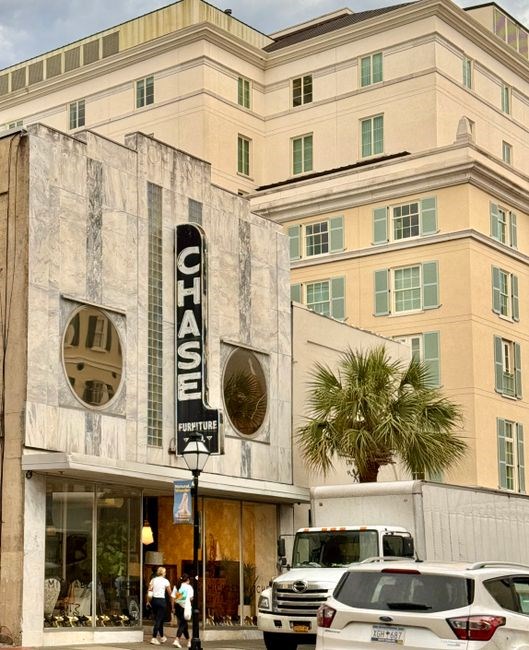
Charleston’s architectural tapestry weaves colonial, Georgian, and Greek Revival styles into a living museum. The iconic St. Philip’s Church, with its soaring steeple, anchors the historic district, while the elegant brick facades of the Old Exchange and Warehouse echo maritime commerce. Visitors admire the wrought‑iron balconies of the Rainbow Row houses, each painted in a spectrum of pastel hues that reflect the city’s vibrant spirit. The 18th‑century Drayton Hall, a National Historic Landmark, showcases a rare example of a plantation house built entirely of wood, preserving original clapboard siding and a central hall plan. Nearby, the Battery’s wrought‑iron fence and the historic cobblestone streets of King Street offer a pedestrian‑friendly promenade where colonial mansions sit beside modern boutiques. The city’s commitment to preservation is evident in the meticulous restoration of the 19th‑century Greek Revival home at 17 Meeting Street, now a museum that displays period furnishings and local artifacts. Each architectural gem tells a story of Charleston’s evolution from a colonial outpost to a bustling port, and today, locals and visitors alike stroll through streets that feel like a living postcard, where every stone, window, and porch swing whispers history. The historic district’s layout, designed by the city’s early planners, follows a grid that maximizes shade and airflow, a testament to the ingenuity of 18th‑century urban design. In addition, the recently restored 1900s Carnegie Library, with its Beaux‑Arts façade, stands as a cultural beacon, while the 1920s‑era Pineapple House, a former grocery store, now houses a thriving art gallery, illustrating the city’s adaptive reuse ethos. Together these structures form a cohesive narrative that celebrates Charleston’s past while embracing modern life.
Historic Streets and Walks
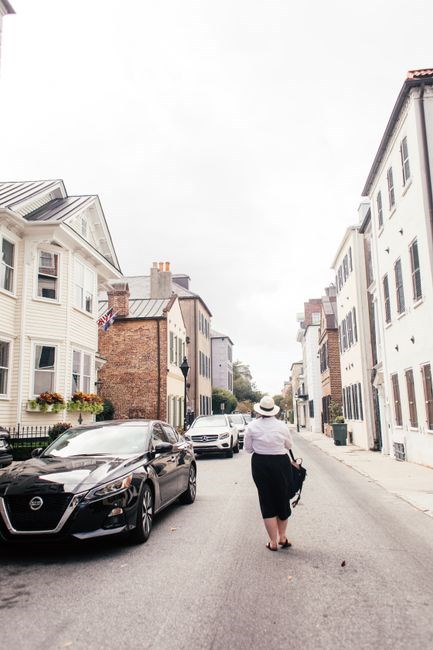
Stroll through Charleston’s cobblestone arteries, where every turn reveals a living tableau of colonial charm and modern vibrancy. The main artery, King Street, stretches from the bustling market square to the historic waterfront, lined with brick storefronts, wrought‑iron balconies, and century‑old oak trees that drape their branches over pedestrian pathways. At the intersection of King and Broad Streets, the iconic St. Philip’s Church stands as a sentinel, its spire punctuating the skyline and guiding travelers toward the historic district’s heart. Nearby, the Battery promenade offers a gentle, winding walk along the Atlantic, framed by antebellum mansions and the gentle sway of maritime pines. The cobblestones of Meeting Street, once a bustling trade route, now host a mix of art galleries, boutique shops, and sidewalk cafés, inviting locals and tourists alike to pause and savor the city’s culinary delights. The historic district’s layout, designed in the 18th century, follows a grid that maximizes shade and airflow, a testament to early urban planning. Each street, from the narrow lanes of the French Quarter to the wide boulevards of the West End, showcases a distinct architectural voice, from Georgian symmetry to Victorian exuberance. Walking tours often highlight hidden courtyards, secret staircases, and historic markers that narrate stories of the city’s founders, enslaved laborers, and resilient communities. The annual “Stroll of Lights” transforms the streets into a luminous celebration, while the “Historic Walking Tour” offers guided narratives that illuminate the city’s past. Whether exploring the quiet lanes of the historic district or the bustling avenues of downtown, Charleston’s streets invite an immersive experience that blends heritage, culture, and everyday life. The streets, alive with the scent of blooming magnolias and the distant hum of jazz, invite both locals and visitors to pause, reflect, and become part of the living tapestry that defines Charleston’s unique charm. Every corner whispers a tale, from historic footsteps to modern street performers, turning each stroll into a living narrative everyday.
Local Food & Drink
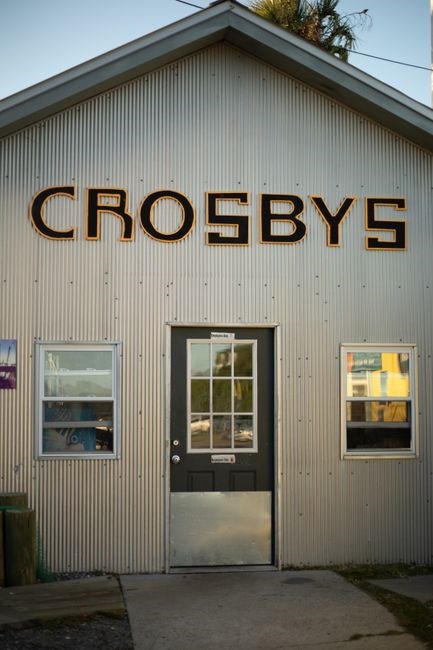
Charleston’s culinary scene blends fresh seafood, Lowcountry staples, and Southern hospitality. Locals favor shrimp & grits, she-crab soup, and oyster bars along the waterfront. Hidden cafés serve artisanal coffee, while craft breweries showcase regional hops. Food festivals celebrate heritage!!!!!
Seafood & Lowcountry Cuisine
Charleston’s Lowcountry cuisine is a living testament to the region’s maritime heritage. Locals swear by the briny freshness of shrimp, oysters, and crab caught daily from the surrounding marshes. The signature dish, shrimp & grits, marries creamy stone‑ground grits with plump shrimp sautéed in butter, garlic, hot sauce. She‑crab soup, a creamy concoction of crab meat, cream, and a hint of cayenne, is a must‑try, especially during the annual Lowcountry Food & Wine Festival. Freshwater mussels, often served steamed with a garlic‑butter sauce, showcase the diversity of local shellfish. For a heartier fare, try a traditional Lowcountry boil: corn on the cob, potatoes, and a medley of shrimp, crab, and sausage, all simmered together in a fragrant broth of bay leaves, Old Bay seasoning, and a generous splash of white wine. Locally owned oyster bars, such as the historic Charleston Oyster House, offer raw oysters on the half shell, while the bustling waterfront market provides a selection of freshly shucked oysters, mussels, and clams. For those who prefer a modern twist, the farm‑to‑table restaurant “The Fish House” incorporates locally sourced ingredients into contemporary dishes, like seared scallops with a citrus beurre blanc. Husk, a Michelin‑starred restaurant, reinterprets Lowcountry classics with a modern twist, offering dishes such as blackened shrimp with citrus beurre blanc. Fleet Landing, perched on the waterfront, serves freshly caught shrimp and oysters with a view of the harbor. The Ordinary, a seafood market‑restaurant hybrid, offers a raw bar featuring oysters, clams, and mussels, alongside grilled shrimp tacos. The city’s craft breweries, such as the Charleston Brewing Company, pair their beers with seafood platters, creating a harmonious dining experience that celebrates the best of Charleston’s maritime bounty. The Lowcountry’s culinary scene is further enriched by sweet potato pie, pecan pie, and buttermilk biscuits, which round out the flavors of the South’s coastal charm. During summer, the festival draws chefsfromacross the South, offeringdemos andlivemusic.
Hidden Foodie Gems
Beyond the well‑known eateries, Charleston’s culinary scene hides a trove of intimate spots that locals frequent. In the historic district, the tucked‑away café Blue Bee offers a rotating menu of farm‑to‑table dishes, pairing seasonal produce with locally sourced meats. A short walk from the waterfront leads to Hathaway’s, a family‑owned bakery that has been crafting hand‑rolled pastries since 1921; their croissants and lemon tarts are a quiet indulgence. For a taste of the city’s African‑American heritage, the modest kitchen of Mary’s Kitchen serves soul‑food staples—collard greens, cornbread, and fried chicken—prepared with recipes passed down through generations. In the uptown area, the speakeasy‑style bar The Varnish offers a curated cocktail menu alongside small plates of charcuterie and cheese, creating a speakeasy vibe that feels both historic and contemporary. A hidden gem in the West Ashley neighborhood is Jax’s, a seafood shack that serves freshly shucked oysters and a daily catch of shrimp, all cooked to perfection on a grill. For those craving international flavors, the tiny Vietnamese eatery Hanoi House offers pho and banh mi that locals swear are the best in town. The neighborhood of King Street also hosts Gingerbread, a bakery that specializes in gingerbread cookies and cakes, a sweet treat that has become a local favorite. Finally, the small, family‑run restaurant Red’s in the historic district offers a menu of Southern classics—gumbo, jambalaya, and a signature shrimp and grits—served in a cozy, unpretentious setting. These hidden foodie gems showcase the diverse culinary landscape of Charleston, offering a blend of tradition, innovation, and community spirit that is truly unique to the city.
Neighborhoods & Lifestyle
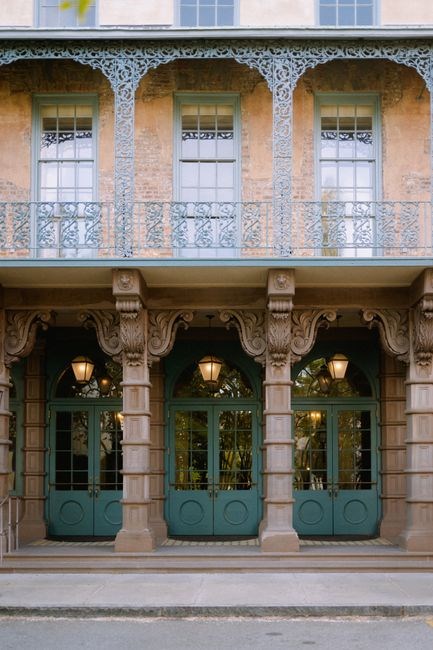
Charleston’s neighborhoods blend historic charm with vibrancy. The Battery’s waterfront promenade offers scenic views, while West Ashley showcases revitalization with cafés and art galleries. Residents enjoy Southern lifestyle enriched by local events and sense of community.
The Battery & Waterfront
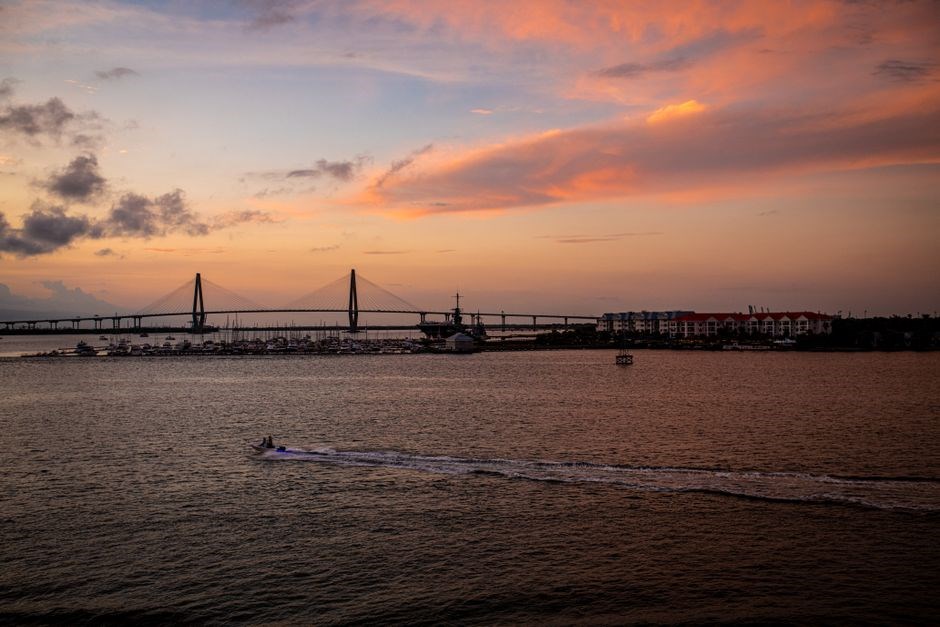
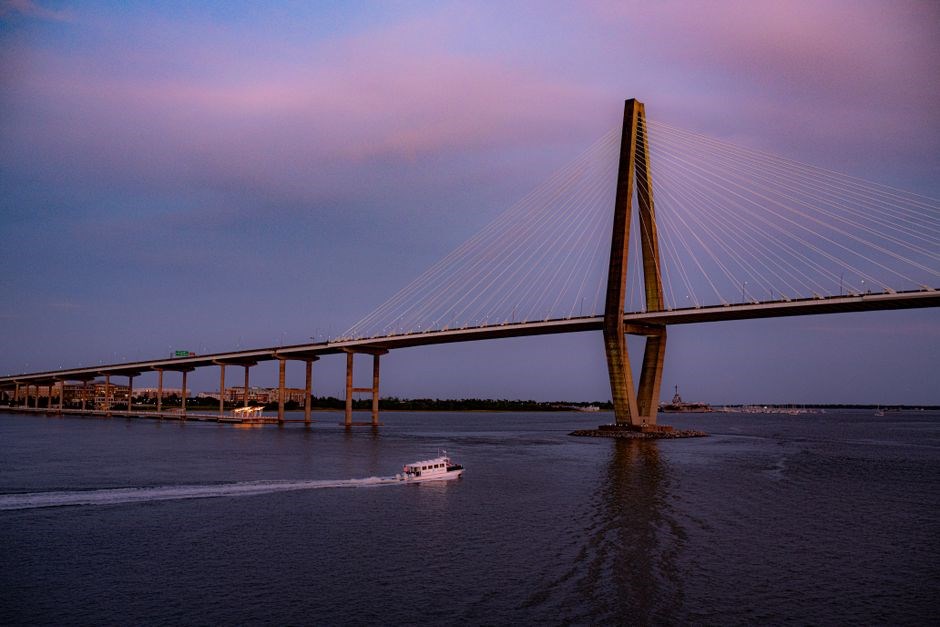
At the heart of Charleston’s historic district, the Battery stretches along the Atlantic shoreline, offering sweeping vistas of Fort Sumter and the harbor. Locals gather here for morning walks, sunset picnics, and seasonal festivals that celebrate maritime heritage. The promenade is lined with 18th‑century oak trees, wrought‑iron railings, and historic homes whose façades reflect Georgian and Federal styles. Nearby, the Waterfront Park provides open lawns, a splash pad, and a playground that draws families. The park’s amphitheater hosts free concerts and film nights, while the adjacent Charleston Harbor Trail invites cyclists and joggers to explore tidal flats and marshlands. Cafés, bakeries, and seafood shacks pepper the streets, offering fresh shrimp, oysters, and classic Lowcountry dishes. At sunset, the sky turns gold over the water, and the historic mansions glow with lantern light. The Battery remains a living museum where residents and visitors alike experience the city’s maritime past and vibrant present.
Beyond Battery, waterfront buzzes with artisans, street performers, and pop‑up markets showcasing local crafts and culinary delights. The historic pier offers kayaking and paddle‑boarding, while nearby marina hosts regattas that draw sailors from across near the region. Evening strolls along promenade reveal illuminated lanterns and live jazz from venues, creating a romantic atmosphere that captures Charleston’s coastal charm. Residents gather for community potlucks together, celebrating city’s diverse heritage and sunrise views daily!
West Ashley & Urban Revitalization
West Ashley, once a quiet industrial corridor, has blossomed into a dynamic neighborhood where historic warehouses are reborn as lofts, art studios, and boutique shops. Local residents celebrate the area’s transformation through community gardens, pop‑up markets, and the annual West Ashley Street Fair, which showcases regional artisans and culinary stalls. The revitalized Riverfront Park offers a pedestrian bridge, a splash pad, and a seasonal farmers’ market that draws visitors from across the city. In 2023, the city’s Urban Renewal Initiative granted grants to preserve the 1900s brick warehouses, turning them into mixed‑use developments that blend residential units with creative workspaces. The new West Ashley Transit Hub, featuring bike‑share stations and electric bus stops, improves connectivity to downtown and the waterfront. A network of bike lanes, pedestrian pathways, and green roofs encourages sustainable mobility and reduces traffic congestion. The neighborhood’s cultural scene thrives with the West Ashley Community Theater, which stages contemporary plays and local talent, and the annual “Art in the Streets” mural project that turns vacant walls into vibrant canvases. Residents enjoy easy access to fresh produce at the West Ashley Farmers Market, and the area’s culinary scene boasts a mix of Southern comfort food and international fusion. Community engagement is fostered through the West Ashley Neighborhood Association, which hosts monthly town halls, volunteer clean‑up days, and youth mentorship programs. The ongoing revitalization not only preserves the area’s industrial heritage but also creates a vibrant, inclusive, and environmentally conscious urban enclave that reflects Charleston’s evolving identity. Job growth now!!
Outdoor Attractions
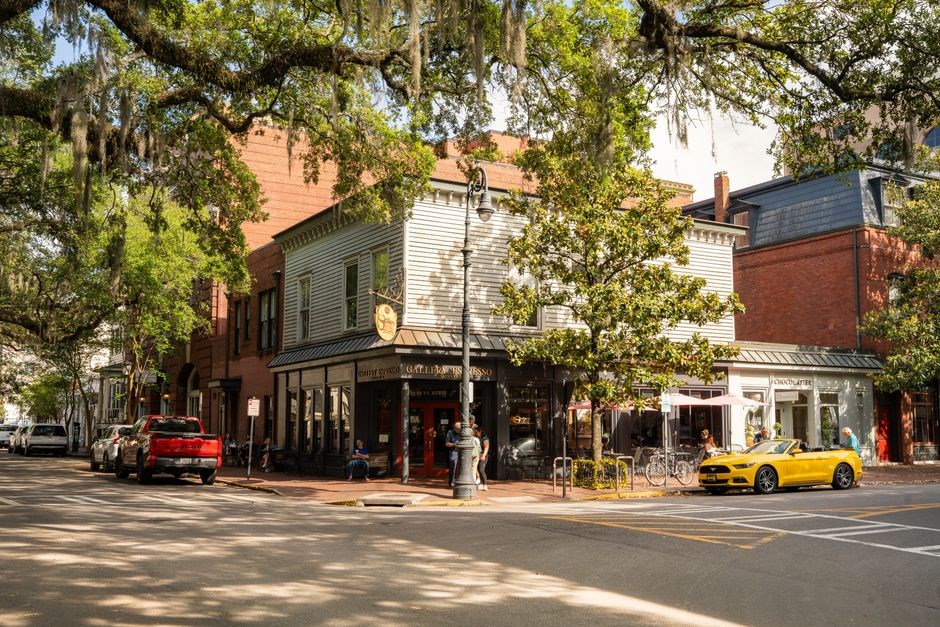
Explore Charleston’s natural beauty: from the serene dunes of Folly Beach to the lush trails of Middleton Place Gardens. picnic at the historic Battery, or hike the scenic Coastal Reserve. Outdoor adventures await locals and visitors alike! Sunset sails, bike trails, and pure joy.!!
Beaches & Coastal Parks
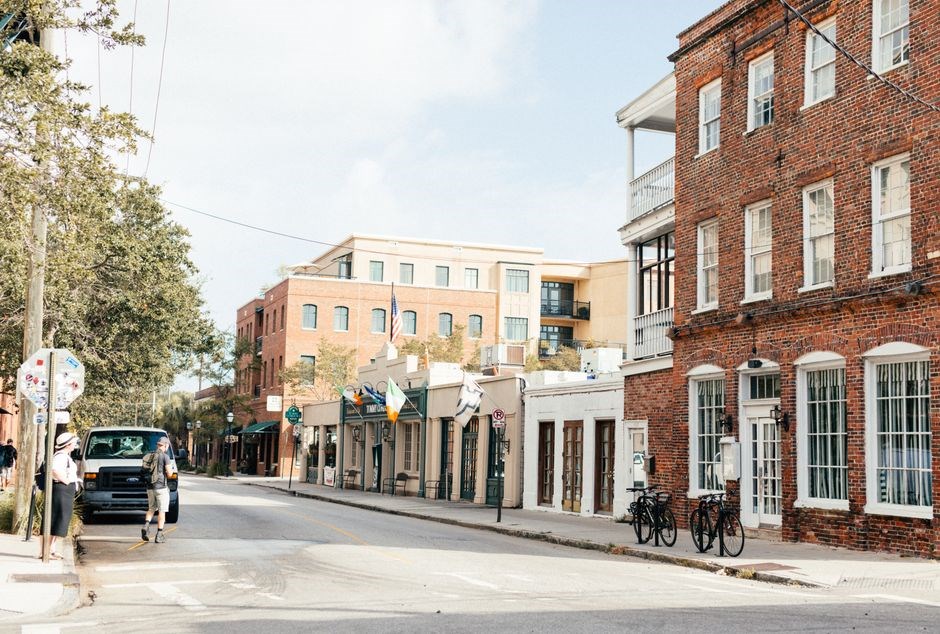
Charleston’s shoreline is a mosaic of sandy stretches and protected wetlands, offering locals a palette of outdoor retreats. Folly Beach, just a short drive from the historic district, boasts a laid‑back vibe with its iconic pier, tide pools, and the annual “Folly Beach 5K.” The beach’s wide boardwalk invites morning joggers, sunset photographers, and families seeking a classic Southern seaside experience.
Gibbs Island Park, perched on the Atlantic, provides a tranquil escape with its shaded picnic areas, playground, and a network of walking paths that wind through native marsh grasses. The park’s boardwalk leads to a secluded beach where the gentle surf and the sound of gulls create a soothing backdrop for relaxation or a casual paddleboarding session.
Beyond the city limits, the Wando River Trail offers a scenic 12‑mile loop that traverses wetlands, historic plantations, and quiet coves. This trail is popular among cyclists, hikers, and birdwatchers, providing a chance to observe the region’s diverse wildlife, from herons to the occasional dolphin that makes a splash along the river’s edge. Whether you’re looking for a family day out, a solo paddle, or a quiet spot to read, Charleston’s beaches and coastal parks deliver a blend of natural beauty and community spirit, ensuring that every visit feels both familiar and fresh.
Historic Plantations & Gardens
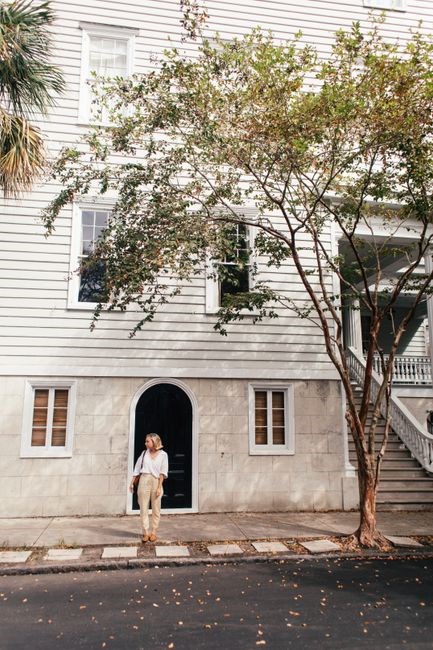
Plantations such as Middleton Place, Magnolia Plantation, and Boone Hall offer a living window into Charleston’s ante‑bellum past. Middleton Place, founded in 1755, features the oldest landscaped gardens in America, with its formal parterre, rose gardens, and a historic kitchen house that now hosts art installations. The gardens are open daily, and guided tours reveal the craftsmanship of the 18th‑century gardeners.
Magnolia Plantation, a 12,000‑acre estate, blends a historic house, a 19th‑century carriage house, and a botanical garden that showcases native flora and a rare collection of orchids. Visitors can stroll through the 50‑acre garden, explore the historic slave quarters, and enjoy a guided tour of the house’s preserved rooms, which include original furnishings and period artwork.
Boone Hall, known for its iconic oak‑lined avenue, offers a unique blend of history and horticulture. The plantation’s 1,200‑year‑old oak trees create a natural canopy over the main house, while the surrounding gardens feature a mix of formal and informal plantings. The estate hosts seasonal events, including a summer garden festival and a winter holiday light display that attracts families from across the region.
For those seeking quiet moments, the gardens offer shaded benches, winding paths, and a variety of native plants that change color with the seasons. Whether you’re a history buff, a nature lover,or simply looking for a retreat, these plantations provide an escape that feels fresh.
Events & Culture
Charleston’s calendar bursts with festivals, from the historic Spoleto Festival to the vibrant Soul & Soul Music Fest. Local artisans showcase crafts at the Charleston Street Fair, while the annual Charleston Food & Wine Festival celebrates Southern flavors. Music, theater, and art thrive year‑round.
Annual Festivals & Traditions
Charleston’s calendar is a living tapestry of annual festivals that weave history, music, food, and community into a single, unforgettable experience. The city’s most iconic event, the Spoleto Festival USA, arrives every spring, transforming the historic district into a world‑class stage for opera, ballet, and contemporary theater. Each year, the 10‑day program draws international artists and local performers, offering free public performances and intimate workshops that invite residents to engage directly with the arts.
During the summer, the Charleston Food & Wine Festival turns the city’s historic streets into a culinary playground. Chefs from across the South showcase signature Lowcountry dishes, while wine tastings feature regional vineyards. The festival’s “Taste of Charleston” food truck rally, held in the Battery, offers a casual, neighborhood feel, allowing locals to sample everything from shrimp and grits to artisanal pastries.
Fall brings the Charleston Jazz Festival, a celebration of the city’s deep musical roots. Free concerts line the waterfront, and the festival’s “Jazz in the Gardens” series invites audiences to enjoy live music amid the city’s lush public gardens. Meanwhile, the annual Holiday Lights Parade, a beloved tradition, lights up the historic district with dazzling displays, carolers, and a marching band that culminates at the iconic St. Philip’s Church.
Winter’s highlight is the “Holiday in the City” event, featuring a Christmas tree lit by the mayor, holiday markets, and a community ice‑skating rink set against the backdrop of the historic waterfront. The festival’s “New Year’s Eve in the City” fireworks display, held on the Battery, provides a spectacular finale to the year’s celebrations. These festivals not only celebrate Charleston’s rich past but also foster a sense of community, drawing residents and visitors alike into shared moments of joy and cultural pride.
Arts & Music Scene
Charleston’s arts scene is a vibrant mosaic that blends historic roots with contemporary innovation. The city’s renowned theaters—such as the historic Dock Street Theatre and the modern Lyric Theatre—host a rotating lineup of Broadway‑style productions, local plays, and experimental performances that showcase both emerging talent and established artists. The annual Spoleto Festival USA, a ten‑day celebration of opera, ballet, and contemporary dance, transforms the downtown streets into a global stage, drawing visitors from around the world. In the summer, the Charleston Music Festival brings a diverse array of genres—from jazz and blues to indie rock and world music—into intimate venues and open‑air stages, while the Charleston Jazz Festival offers free concerts along the waterfront, featuring local legends and rising stars. The city’s visual arts community thrives in galleries such as the Gibbes Museum of Art, the Charleston Museum, and the numerous independent spaces in the historic district, where rotating exhibitions highlight both regional and national artists. Street performers, mural projects, and public art installations add spontaneous color to the city’s sidewalks, creating a living canvas that evolves with each season. Whether attending a recital in the historic St. Philips Church, exploring contemporary installations at the Lowcountry Center for the Arts, or discovering talent in music venues of the West End, Charleston’s arts and music scene offers a dynamic experience that reflects the city’s rich cultural heritage and forward spirit.