Overview of Viper Remote Start for Manual Transmissions

Viper 5901 Remote Start works on manual gearboxes by using a bypass module that overrides the neutral safety switch. It allows engine cranking only when the shifter is in neutral, providing safe remote ignition for any manual vehicle. and reliable!!
Key Features of the Viper 5901 Remote Start System
The Viper 5901 Remote Start System is engineered for manual transmission vehicles, offering a secure keyless entry and remote ignition that activates only when the shifter is in neutral. It integrates directly with the vehicle’s existing alarm, maintaining full security coverage during remote start. The unit uses a dual‑wire connection to the ignition circuit, preserving the factory wiring harness and simplifying the installation process. A built‑in battery monitoring function alerts the user when voltage drops below a safe threshold, preventing deep discharge. The remote key fob is weather‑proof, with a long‑range signal that remains reliable in challenging environments. The system’s firmware can be updated via USB, ensuring compatibility with newer vehicle models and security patches. Designed to meet automotive safety standards, the Viper 5901 delivers a reliable and user‑friendly remote start experience for manual transmission owners, combining convenience with robust construction.
The remote start feature can be programmed to start the engine within an interval, allowing drivers to warm up the vehicle before driving. Additionally, the system’s alarm interface ensures the vehicle’s security system remains, preventing disarming. Users can also customize the remote start delay and timeout settings through the menu, providing for various driving scenarios. Overall, the Viper 5901 offers a solution that convenience, safety, and installation for manual transmission owners now!!
Compatibility with Various Manual Transmission Models
Viper’s 5901 Remote Start system is engineered to support a wide array of manual‑transmission vehicles, ranging from compact cars to full‑size pickups. The core of its compatibility lies in the bypass module, which temporarily disables the neutral safety switch during remote ignition. This feature allows the engine to crank only when the shifter is in neutral, preventing accidental engagement in gear. The system’s wiring harness is designed to interface with the standard 12‑volt accessory power line and the vehicle’s ignition switch, making it adaptable to most makes and models. In practice, installers report successful integration with 2000‑2015 Honda Civic, Toyota Corolla, Ford F‑150, Chevrolet Silverado, and Subaru Outback, among others. For older models lacking a dedicated neutral switch, the bypass module can be connected to the existing neutral‑safety circuit or to the vehicle’s “neutral” position on the shifter. The Viper manual‑transmission kit also includes a diagnostic LED indicator that confirms the bypass is active and the system is ready for remote start. Because the bypass module operates independently of the vehicle’s engine control unit, it does not interfere with factory‑installed immobilizers or key‑less entry systems. However, installers should verify that the vehicle’s battery has sufficient capacity to handle the additional load, as remote start can draw up to 300 A during cranking. In summary, the 5901 Remote Start with bypass module offers broad compatibility across manual‑transmission vehicles, provided the installer follows the wiring guide and ensures the neutral safety override is correctly configured. This system is ideal for drivers seeking convenience without compromising vehicle safety.
Bypass Module and Wiring Essentials
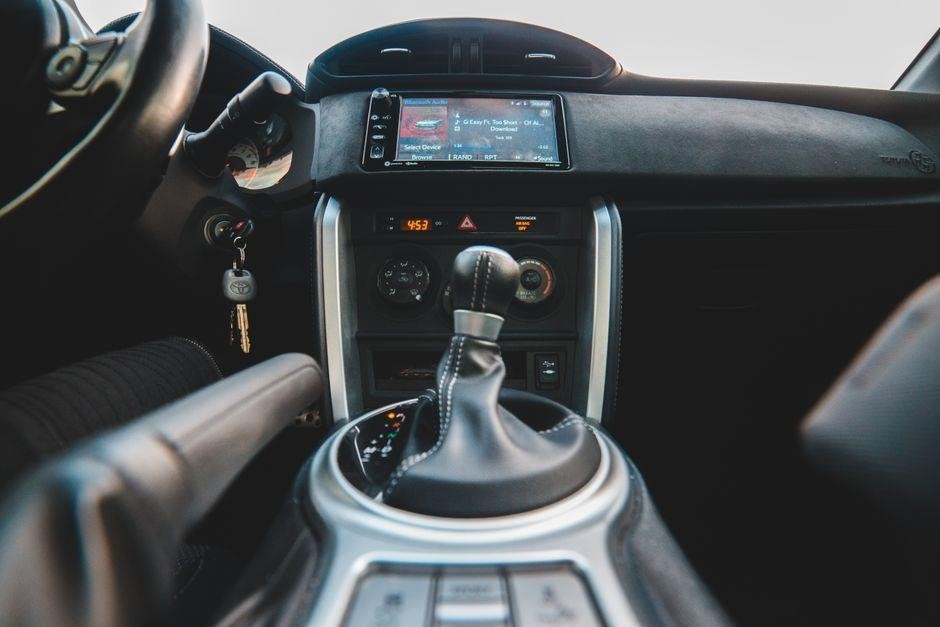
The bypass module links to the neutral safety switch, permitting remote start only in neutral. Wire the neutral line to the module’s input, then route the module’s output to starter relay. Secure all connections and insulate wiring to prevent shorts!!!
Functionality of the Bypass Module in Manual Transmissions
The bypass module is the core component that enables a Viper remote start system to operate safely on vehicles with manual gearboxes. In a typical manual transmission, the neutral safety switch prevents the engine from cranking unless the shifter is in neutral. The bypass module intercepts the signal from the remote start module and temporarily overrides the neutral safety switch, allowing the starter relay to energize only when the shifter is in neutral. This override is achieved by connecting the module to the vehicle’s existing neutral safety switch wiring, effectively creating a “virtual neutral” condition for the remote start circuitry. The module’s internal logic monitors the shifter position through a dedicated sensor or by reading the neutral safety switch’s status. When the remote start command is received, the module checks the shifter position; if it is in neutral, the module closes the circuit to the starter relay, enabling the engine to crank. If the shifter is not in neutral, the module remains open, preventing accidental engine start while the vehicle is in gear. This design ensures that the remote start function does not compromise safety or cause unintended gear engagement. Additionally, the bypass module is designed to be low‑power and does not interfere with the vehicle’s existing alarm or immobilizer systems. It is typically installed in the engine bay, wired to the neutral safety switch, and powered by the vehicle’s accessory power source. The module also includes diagnostic LEDs or a small display to indicate its status, making troubleshooting straightforward. Proper installation and programming of the bypass module are critical for reliable operation, and many installers recommend using a dedicated diagnostic tool to verify correct shifter detection and relay activation. Overall, the bypass module provides a seamless, secure, and compliant solution for integrating Viper remote start into manual‑transmission vehicles. Installation guidelines are available in the official Viper manual, ensuring compliance with local regulations.
Wiring the Bypass Module to the Vehicle’s Neutral Safety Switch
The wiring process begins by locating the vehicle’s neutral safety switch, typically found on the shifter assembly or the transmission housing. Once identified, the bypass module’s three primary leads—power, ground, and signal—are connected to the switch’s corresponding terminals. The power lead is usually a 12‑V source from the accessory circuit; a fuse rated at 30 A should be installed inline to protect the module. The ground lead must be attached to a clean, rust‑free chassis point to ensure a solid return path. The signal lead is the most critical; it is wired to the neutral safety switch’s output, which normally feeds the starter relay. By bridging this output through the bypass module, the remote start system can “see” a neutral condition even when the shifter is in gear. After all connections are made, the module’s internal relay is closed only when the remote start command is received and the shifter is in neutral. A short test run should be performed with the vehicle in neutral to confirm that the engine cranks and that the module’s diagnostic LED lights up. If the engine does not start, double‑check the fuse, the polarity of the power lead, and the integrity of the signal connection. Proper insulation and secure mounting of the module are essential to prevent vibration damage. Finally, the wiring harness should be routed away from hot components and protected with heat‑shrink tubing or electrical tape to maintain long‑term reliability. Always verify the final wiring with a multimeter before powering the system.
Step‑by‑Step Installation Process
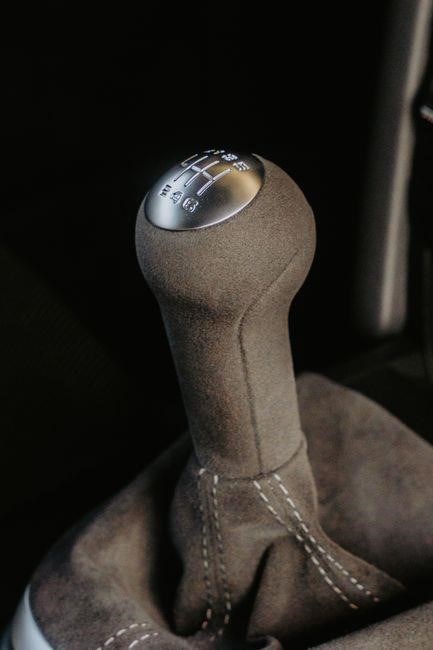
Install the Viper 5901 by first disconnecting the battery. Mount the bypass module near the neutral safety switch. Wire the module to the switch, then connect power and ground. Program the remote key, then test start in neutral All secure now. OK.
Tools and Materials Required for Installation
Before installing the Viper 5901 Remote Start on a manual‑transmission vehicle, collect the kit’s components: control module, antenna, wiring harness, and bypass module. A stable 12‑volt source—either the battery or a dedicated supply—is needed, along with a neutral safety switch adapter or the specific bypass module for manual gearboxes. For wiring, use crimp connectors, a soldering iron, heat‑shrink tubing, wire stripper, cutter, electrical tape, and zip ties. A digital multimeter will verify voltage and continuity.
Hand tools include Phillips and flat‑head screwdrivers, a 10‑mm and 12‑mm socket set, pliers, and a torque wrench. If the ECU or remote start requires programming, an OBD‑II reader or diagnostic interface is required. Wear safety glasses and gloves. Keep the manufacturer’s wiring diagram and installation manual handy, and consider a portable power inverter if the battery is not easily accessible.
Optional items: a voltage regulator for stable 12‑V output, an insulated conduit for the harness, and an LED status light. If integrating with an existing alarm, confirm compatibility to avoid conflicts. All components should be rated for automotive use snug! Ensure proper grounding snug!
Programming the Remote Key to the Viper System
To program a new remote to a Viper 5901 Remote Start system on a manual‑transmission vehicle, begin by ensuring the vehicle’s ignition is in the OFF position and all doors are closed. Insert the key, turn the ignition to the ON position, and wait for the alarm indicator to flash twice. This signals the system is in programming mode. Next, press and hold the remote’s “LOCK” button for 2 seconds, then release. The alarm light should flash once, confirming the remote has been recognized. If the light does not flash, repeat the sequence until it does. After successful recognition, the system will automatically exit programming mode. To confirm, lock the doors with the remote and verify that the interior lock lights illuminate. If the remote fails to lock, reset the system by turning the ignition OFF, waiting 30 seconds, and repeating the programming steps. Once the remote is programmed, it can be used for both keyless entry and remote start, provided that the shifter is in neutral and the bypass module is correctly wired; For advanced features such as remote start timing or disabling the alarm, consult the Viper user manual or contact a certified installer for additional configuration. The installer may also set a delay timer to prevent accidental starts during cold weather.
Final Test and Calibration of the Remote Start
After wiring, begin a systematic test sequence. First, verify the bypass module signals the neutral safety switch by placing the shifter in neutral and pressing the remote start button. The engine should crank, and the alarm should remain silent. If the engine does not start, double‑check the ground connection and the correct polarity of the ignition wire.
Next, confirm that the system does not allow cranking in gear. Shift into first gear, press the remote, and ensure the engine remains off. This protects the drivetrain from accidental engagement. If the engine still starts, re‑inspect the bypass module’s connection to the neutral switch and adjust the relay timing if necessary.
Finally, calibrate the remote’s timeout settings via the Viper console. Set the desired start delay, engine run time, and auto‑shutdown parameters. Test each setting by starting the vehicle remotely, letting it run for the specified duration, and verifying that it shuts off automatically. A successful test cycle confirms proper installation and readiness for daily use.
During final calibration, check that the engine idles correctly and the remote start does not activate accessories. Adjust relay timing if needed!

Common Issues and Troubleshooting Tips
Common problems include remote start not engaging in neutral, alarm interruption, and battery drain. Check bypass wiring, neutral switch, and power source. Reset the system, update firmware, and verify key pairing to resolve issues. Ensure grounding now
Remote Start Not Engaging While in Neutral
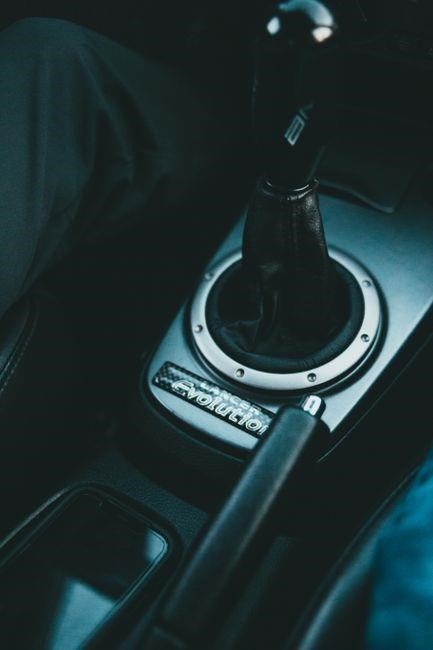
When the remote start fails to fire in neutral, the first step is to verify that the bypass module is correctly wired to the vehicle’s neutral safety switch. A mis‑connected or broken wire will prevent the module from sending the neutral signal to the starter. A weak or dead battery can also cause the remote to be ignored. Next, confirm that the remote key is fully programmed and that the Viper system’s firmware is up to date—outdated software may misinterpret the neutral status. Inspect the neutral switch itself; if it is stuck or damaged, the bypass will not register a neutral position. Finally, test the remote start with the vehicle in neutral and the ignition off; if the starter still does not engage, reset the Viper system by cycling the power or performing a factory reset through the Viper app. If all hardware checks out and the software is current, the issue may be a faulty bypass module that needs replacement; Always follow the manufacturer’s safety guidelines when troubleshooting to avoid accidental engine cranking. Additionally, ensure the battery voltage stays above 12.5 volts during remote start attempts, as low voltage can trigger the safety interlock. If the issue persists, consult Viper diagnostics!!
Alarm System Disruption During Installation
When installing a Viper 5901 Remote Start on a manual transmission vehicle, the alarm’s power‑supply circuitry can be unintentionally interrupted. The alarm’s battery feed is often routed through the same fuse panel that powers the starter relay. If the bypass module or the new starter relay is wired incorrectly, the alarm’s low‑voltage circuit may be shorted or disconnected, causing the alarm to reset, trigger a false alarm, or even shut down entirely. A common symptom is the alarm’s LED flashing rapidly or the system’s audible alarm sounding continuously after the remote start is activated. To avoid this, first locate the alarm’s power feed and ensure that the bypass module’s connections are isolated from the alarm’s low‑voltage bus. Use a dedicated 12‑V supply for the starter relay and keep the alarm’s 12‑V feed separate. A ground strap or a dedicated ground point can resolve many of these issues. Finally, after wiring, test the alarm by cycling the ignition on and off, then triggering the remote start. If the alarm remains silent and the vehicle starts normally, the installation is likely correct. If the alarm still activates, re‑inspect the wiring harness for any stray connections or damaged insulation that may be causing a short to the alarm’s circuitry. Proper isolation and careful routing of the bypass module’s wires are essential to prevent alarm disruption during a manual‑transmission remote‑start installation. Always verify the alarm’s fuse rating matches the starter relay’s current draw and properly
Battery Drain and Power Management Concerns
When installing a Viper 5901 remote start on a manual transmission vehicle, the system’s power draw can affect the battery if not managed properly. The remote starter pulls up to 30 A during cranking, significant for older or smaller batteries. To mitigate this, installers typically use a dedicated 12 V fuse rated at 30 A and place it close to the battery to reduce voltage drop. Additionally, a low‑voltage cutoff module can be added to prevent the battery from discharging below 11.5 V, ensuring that the starter does not drain the battery during repeated use. A common practice is to run the Viper wiring through the vehicle’s power distribution box, using a shielded cable to avoid interference with the alarm system. For vehicles with a weak alternator, a battery charger or a secondary battery can be installed to maintain charge levels. Finally, it is advisable to test the battery’s state of charge after installation and perform a load test to confirm that the alternator can replenish the battery during normal operation. Proper planning and the use of high‑quality components will keep the battery healthy and extend the life of the remote starter.
The battery saver limits cranking current to 20 A, reducing stress and extending battery life. Critical in cold climates daily!
Safety, Warranty, and Support Resources
Viper’s remote starter for manuals obeys local laws; installers must verify state regulations. Warranty covers parts for 2 years; installation may void original coverage. For help, consult Viper’s manual, forums, and certified dealers. and help?!
Legal Compliance and Local Vehicle Regulations
Installing a Viper remote‑start on a manual‑transmission car brings jurisdictional rules that differ across regions. U.S. federal law permits aftermarket starters, but state statutes often require that the device preserve the factory engine‑start safety interlock. The bypass module must engage only when the shifter is in neutral, and the system must not disable the immobilizer. Non‑compliance can lead to registration denial, insurance loss, or fines. In Canada, the CMVSS mandates that any aftermarket device must not compromise safety functions; the Viper system must be certified by a recognized lab and listed in the Vehicle Equipment List (VEL). European Union members enforce UNECE R44 and R45, which require that remote starters do not alter the engine‑starting sequence or disable the immobilizer. Local municipalities may also impose noise limits on engine cranking or require a silent‑start feature. Vehicle owners should check their state’s Department of Motor Vehicles, local insurance carriers, and the manufacturer’s technical support before installing. Ignoring these regulations can trigger recalls, void warranties, or legal penalties. Therefore, a thorough review of applicable laws, proper certification, and a qualified installer are essential for a compliant and safe Viper remote‑start on a manual transmission vehicle. Compliance also includes ensuring the system’s wiring does not interfere with the vehicle’s onboard diagnostics or emission control modules, and properly insulated.
Warranty Implications of Installing a Remote Starter
Installing a Viper 5901 Remote Start on a manual transmission vehicle can affect the factory warranty. Most manufacturers consider any non‑OEM modification that alters the engine or electrical system as a potential warranty violation. The Viper system itself comes with a limited warranty covering defects in materials and workmanship for 12 months from the date of purchase, but this warranty does not extend to the vehicle’s factory coverage. If the installation is performed by a licensed dealer or an authorized Viper installer, the manufacturer may still honor the vehicle’s warranty for unrelated components, but the remote starter’s wiring and the bypass module are typically excluded. In many states, the Federal Trade Commission’s “right‑to‑repair” regulations allow consumers to install aftermarket devices without voiding warranties, provided the installation does not damage the vehicle. Nonetheless, if the remote starter causes a fault in the engine control unit or the neutral safety switch, the manufacturer may refuse to cover that damage. To mitigate risk, owners should keep detailed records of the installation, obtain a written statement from the installer that the work was performed according to OEM standards, and verify that the Viper system’s power draw does not exceed the vehicle’s alternator capacity. Installers offer a 24‑month add‑on. This ensures compliance with local regulations.
Official Documentation, Community Forums, and Professional Help
Viper’s official resources are the cornerstone for anyone installing a remote‑start system on a manual transmission. The manufacturer’s website hosts a comprehensive user manual, wiring diagrams, and firmware updates that detail every step from mounting the bypass module to configuring the remote key. These documents explain how the neutral‑safety override works, the required power‑supply specifications, and the safety precautions needed to avoid damage to the engine or battery. For those who prefer community‑driven knowledge, the Viper Club of America forum is a treasure trove of practical advice. Members post detailed schematics, photos, and video tutorials that walk through the wiring of the bypass module to the vehicle’s neutral‑safety switch. Discussions often cover model‑specific quirks, such as differences in the neutral‑safety connector or the need for a separate power feed. Professional help is also readily available through authorized dealers and the Viper technical support desk. Dealers can perform on‑site installation, programming, and provide warranty verification, while the support desk offers live chat, email, and phone assistance. Their knowledge base includes FAQs on common issues like battery drain, alarm interference, and remote‑start timing. and follow step‑by‑step guides for safety.