Costco Stuffed Salmon Baking Instructions: A Comprehensive Guide
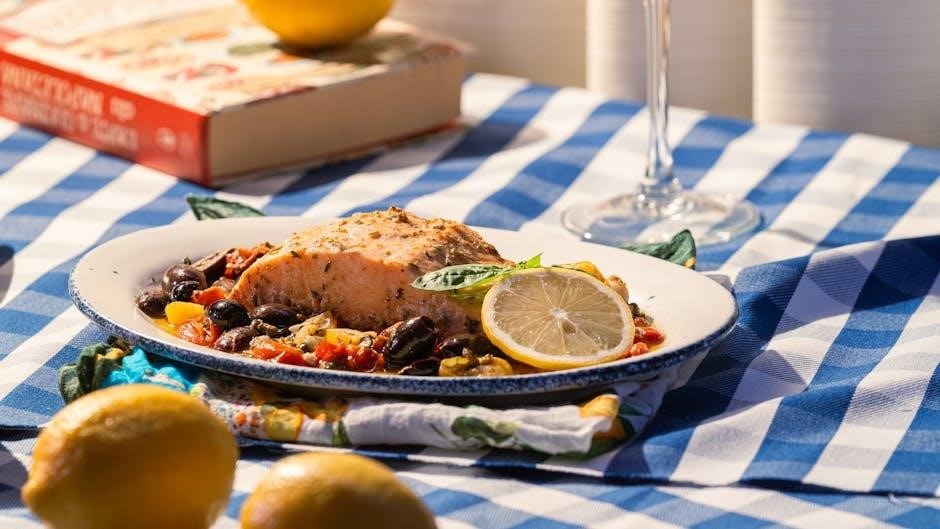
This guide provides detailed instructions for baking Costco’s stuffed salmon to perfection. We’ll cover optimal temperatures‚ cooking times‚ and methods for ensuring a moist‚ flavorful result.
Understanding Costco Stuffed Salmon
Costco’s stuffed salmon fillets are a convenient and delicious meal option‚ typically featuring a generous portion of salmon generously filled with a savory stuffing. This stuffing often includes a blend of spinach‚ cheeses‚ and seasonings‚ creating a delightful contrast in textures and flavors. The fillets are usually pre-seasoned‚ simplifying the cooking process for consumers.
However‚ understanding the product’s characteristics is crucial for successful baking. The fillets vary in thickness‚ impacting cooking times. The stuffing itself requires thorough heating to ensure food safety‚ specifically reaching an internal temperature of 165°F (74°C) as recommended by Costco.
Because of the pre-seasoning and stuffing‚ it’s important to avoid adding excessive salt or strong spices that could overwhelm the existing flavors. The salmon is typically flash-frozen‚ maintaining freshness and quality until ready to cook. Knowing these details will help you tailor the baking process to achieve optimal results‚ delivering a perfectly cooked and flavorful meal.
Key Considerations Before Baking
Before baking your Costco stuffed salmon‚ several factors deserve attention. First‚ assess the fillet’s thickness; thicker portions require longer cooking times. If frozen‚ you can bake directly from frozen‚ but this will significantly extend the cooking duration. Thawing isn’t mandatory‚ but it can promote more even cooking.
Preheating your oven is essential for consistent results. Consider the desired level of doneness – medium-rare (125°F/51.7°C) or well-done (145°F/62.8°C). A meat thermometer is highly recommended for accurate temperature monitoring.
Also‚ think about your preferred cooking speed. Lower temperatures (350°F) yield moister results but take longer‚ while higher temperatures (425°F) are quicker but increase the risk of drying out the fish. Finally‚ plan your side dishes! Rice‚ particularly jasmine rice‚ and fresh herbs like parsley or dill complement the salmon beautifully. Preparing these in advance streamlines the meal preparation process.
Optimal Baking Temperature: 375°F (190°C)
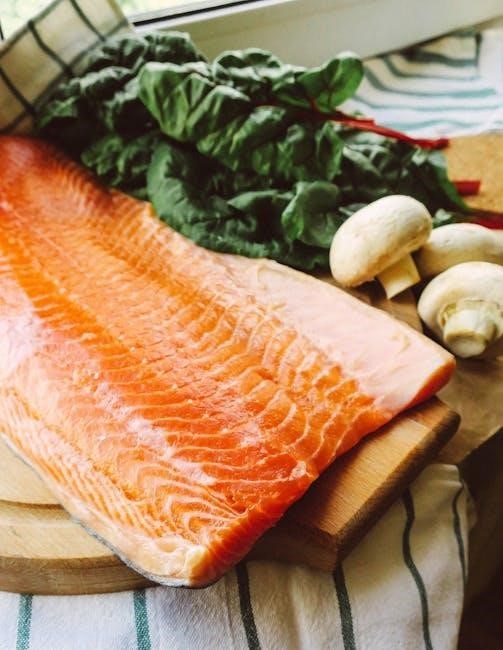
For consistently moist and perfectly cooked Costco stuffed salmon‚ 375°F (190°C) emerges as the ideal baking temperature. This moderate heat allows the salmon to cook through evenly without drying out‚ even if left in the oven for a minute or two beyond the initial estimate. It strikes a balance between speed and quality‚ offering a reliable outcome for both novice and experienced cooks.
At this temperature‚ the salmon’s delicate flavors are preserved‚ and the stuffing cooks through adequately. While higher temperatures can shorten cooking time‚ they significantly increase the risk of a dry‚ less flavorful result. Lower temperatures‚ conversely‚ may require excessively long baking times.
Preheating to 375°F is crucial. Ensure your oven is fully heated before placing the salmon inside. This temperature provides a forgiving window‚ allowing for slight variations in fillet thickness and oven calibration without compromising the final product. Remember to check the internal temperature with a meat thermometer for best results.
Baking Time Based on Fillet Thickness
Determining the correct baking time for your Costco stuffed salmon hinges directly on the thickness of the fillet. Thicker fillets naturally require longer cooking times to ensure the center reaches the safe internal temperature of 145°F (62°C). A general guideline is to estimate approximately 20-26 minutes for a standard Costco fillet at 375°F (190°C).
However‚ this is merely an estimate. Visually assess your fillet’s thickness. If it appears particularly thin‚ begin checking for doneness around the 20-minute mark. Conversely‚ a thicker fillet may need closer to 26 minutes‚ or even slightly longer. Using a meat thermometer is the most reliable method to confirm doneness‚ regardless of initial time estimates.
Keep in mind that the stuffing also needs to reach a safe temperature of 165°F (74°C). Baking time will vary depending on the stuffing’s density and composition. Regularly monitoring both the salmon and stuffing temperatures is key to a perfectly cooked dish.
Using a Meat Thermometer for Accuracy
Achieving perfectly cooked Costco stuffed salmon relies heavily on accurate temperature monitoring‚ and a meat thermometer is your most valuable tool. Forget relying solely on baking times; variations in fillet thickness and oven calibration necessitate precise internal temperature readings;
Insert the thermometer into the thickest part of the salmon fillet‚ avoiding contact with any bones. For the salmon itself‚ aim for an internal temperature of 145°F (62°C) for a fully cooked‚ yet still moist‚ result. Crucially‚ the stuffing must reach 165°F (74°C) to ensure food safety.
Check the temperature in multiple spots to account for potential variations. Digital thermometers provide quick and easy readings. Remember to clean the thermometer probe thoroughly after each use. Don’t hesitate to continue baking in short increments (2-3 minutes) until both the salmon and stuffing reach their target temperatures. This ensures a safe and delicious meal‚ eliminating guesswork and preventing overcooking.
Target Internal Temperature: 145°F (62°C)
Reaching an internal temperature of 145°F (62°C) is the key to perfectly cooked Costco stuffed salmon. This temperature ensures the fish is fully cooked‚ flaky‚ and safe to eat‚ while still retaining its natural moisture and delicate flavor. Lower temperatures‚ around 125°F (51.7°C)‚ yield medium-rare salmon‚ but for most palates‚ 145°F provides the optimal balance.
Remember‚ this temperature applies specifically to the salmon fillet itself; The stuffing requires a higher temperature of 165°F (74°C) for food safety. Consistent monitoring with a meat thermometer is crucial to verify both temperatures are met.
Don’t be afraid to slightly exceed 145°F by a few degrees – a minute or two extra baking won’t drastically impact the quality. However‚ exceeding it significantly will lead to dryness. Achieving this target temperature guarantees a delicious and satisfying meal‚ transforming the Costco salmon into a restaurant-quality dish.
Alternative Baking Temperature: 400°F (204°C)
For those seeking a quicker cooking time‚ baking Costco stuffed salmon at 400°F (204°C) is a viable option. This elevated temperature significantly reduces the overall baking duration‚ making it ideal for busy weeknights. However‚ it’s crucial to exercise caution‚ as higher heat increases the risk of drying out the delicate salmon fillet.
When using this method‚ closely monitor the salmon’s progress. Begin checking for doneness after approximately 15-20 minutes‚ using a meat thermometer to ensure the internal temperature reaches 145°F (62°C). Remember to also verify the stuffing reaches 165°F (74°C);
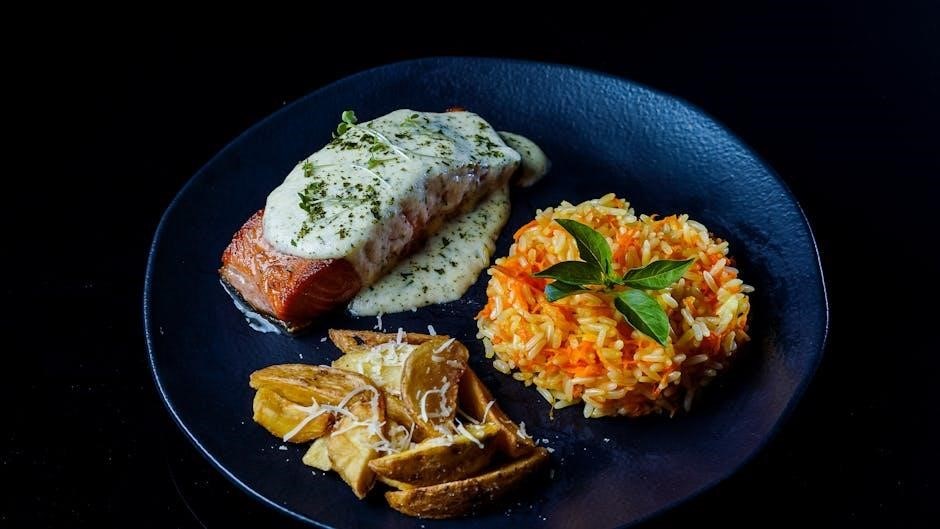
To mitigate dryness‚ consider lightly tenting the salmon with foil during the initial stages of baking. This helps retain moisture while allowing the salmon to cook through. While 375°F offers more forgiving results‚ 400°F provides a convenient speed boost with careful attention.
Alternative Baking Temperature: 425°F (218°C) ー Quick Bake
Need dinner on the table fast? Baking Costco’s stuffed salmon at 425°F (218°C) delivers a remarkably quick cooking experience. This “quick bake” method is perfect when time is of the essence‚ but demands vigilant monitoring to prevent overcooking and ensure a moist‚ flavorful outcome.
Expect a cooking time of roughly 10-14 minutes‚ though this can vary based on fillet thickness. A meat thermometer is absolutely essential here. Begin checking the internal temperature after 10 minutes‚ aiming for 145°F (62°C) for the salmon and 165°F (74°C) for the stuffing.
Due to the high heat‚ strongly consider tenting the salmon loosely with aluminum foil for the first half of the cooking time. This creates a protective barrier‚ helping to lock in moisture. Be prepared to adjust the cooking time slightly based on your oven and the specific fillet. This method prioritizes speed‚ but requires focused attention.
Checking for Doneness Without a Thermometer
While a meat thermometer provides the most accurate results‚ determining doneness without one is possible. The “flake test” is your primary tool: gently insert a fork into the thickest part of the salmon. If the fish flakes easily along the muscle fibers‚ it’s likely cooked through.
Observe the color of the salmon. Properly cooked salmon will transition from translucent to opaque‚ though the center may retain a slight sheen. Avoid relying solely on color‚ as this can be subjective. Also‚ assess the stuffing; it should be heated through and no longer appear raw.
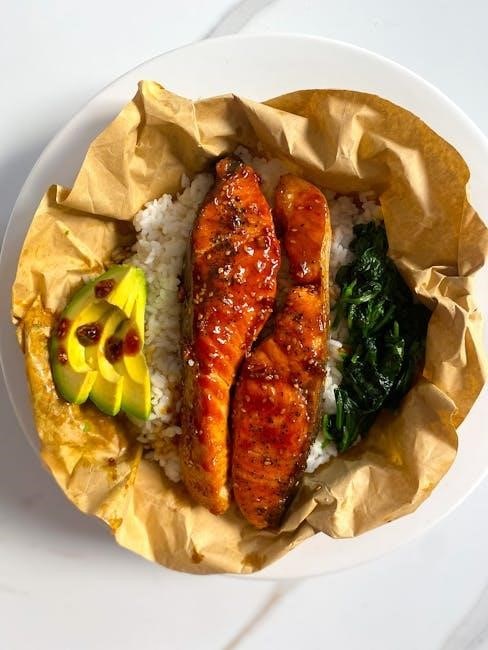
A slight firmness to the touch is another indicator. Gently press on the salmon; it should feel firm but still yield slightly. If it feels rubbery‚ it’s likely overcooked. Remember‚ carryover cooking will continue after removing the salmon from the oven‚ so err on the side of slightly undercooked rather than overcooked.
Cooking from Frozen: Direct Oven Baking
Yes‚ you can bake Costco stuffed salmon directly from frozen‚ though it will require a longer cooking time. Preheat your oven to 375°F (190°C). Place the frozen salmon fillet in a baking dish and cover it loosely with foil to prevent excessive browning.
Baking from frozen typically takes approximately 45-60 minutes‚ depending on the thickness of the fillet. After 30 minutes‚ remove the foil to allow the top to brown. It’s crucial to ensure the stuffing reaches a safe internal temperature of 165°F (74°C)‚ as recommended by Costco.
Using a meat thermometer is highly recommended when cooking from frozen‚ as visual cues can be unreliable. Check the internal temperature of both the salmon and the stuffing in multiple spots. Be patient; cooking from frozen requires extra time to ensure even cooking and a safe‚ delicious meal. Expect a slightly longer overall cook time than with thawed salmon.
Air Fryer Option: 350°F (177°C) for 15-20 Minutes
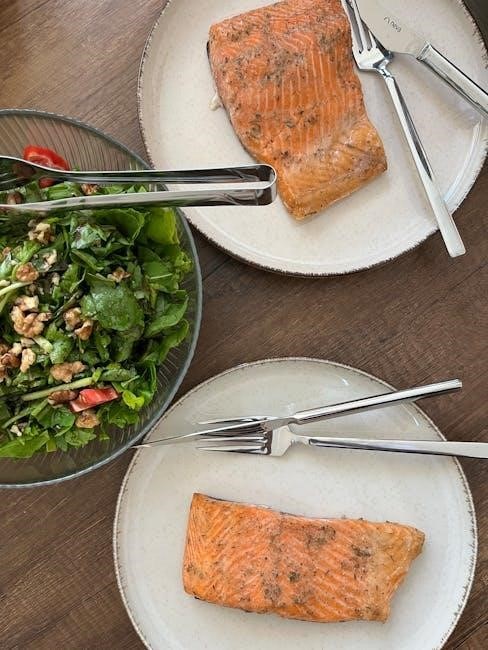
For a quicker cooking method‚ the air fryer is an excellent choice for Costco stuffed salmon. Preheat your air fryer to 350°F (177°C). Place the salmon portion(s) in the air fryer basket‚ ensuring they aren’t overcrowded – you may need to cook in batches.
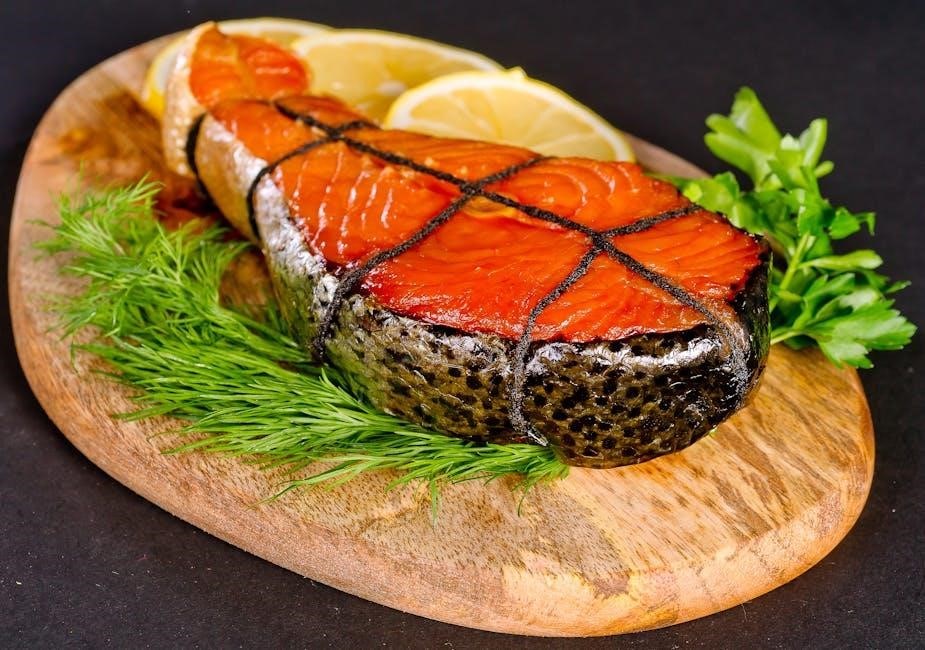
Air frying typically takes between 15-20 minutes‚ but this can vary based on your air fryer model and the fillet’s thickness. It’s vital to monitor the internal temperature‚ aiming for 145°F (62°C) in the salmon and 165°F (74°C) in the stuffing‚ as Costco suggests.
Check the temperature with a meat thermometer halfway through the cooking time. The air fryer’s circulating heat cooks the salmon efficiently‚ often resulting in a slightly crispier exterior. Remember to check for doneness in multiple spots to guarantee even cooking. This method offers a convenient and relatively fast way to enjoy your Costco salmon!
Stuffing Temperature: 165°F (74°C)
Ensuring the stuffing within the Costco salmon reaches a safe internal temperature is crucial for food safety and optimal flavor. Costco specifically recommends cooking the stuffing to 165°F (74°C) to eliminate any potential bacteria.
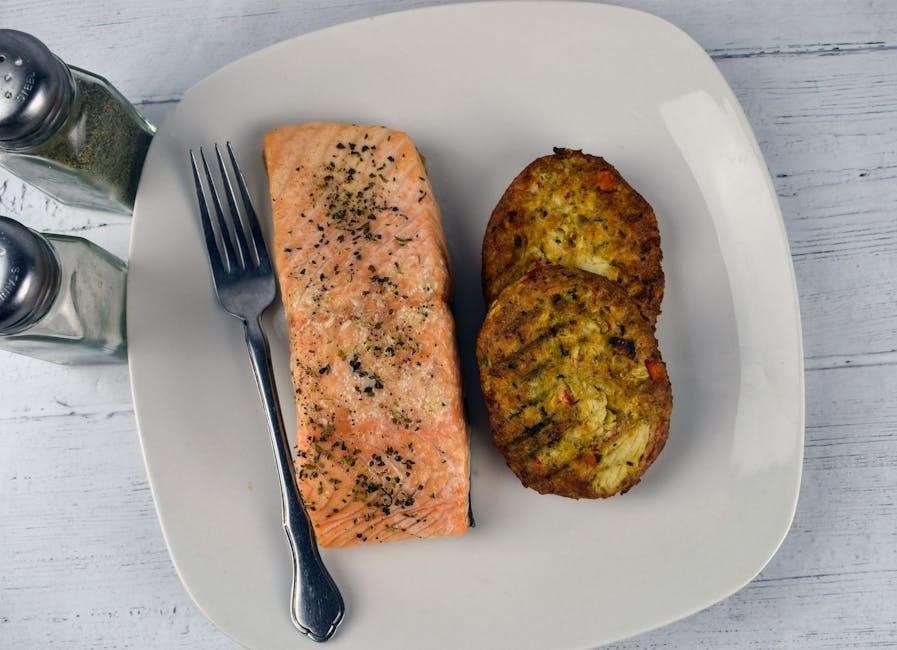
This temperature is higher than the recommended internal temperature for the salmon itself (145°F/62°C)‚ so it’s important to verify the stuffing’s temperature separately. Use a reliable meat thermometer‚ inserting it into the center of the stuffing‚ avoiding contact with the salmon fillet.
If the stuffing hasn’t reached 165°F (74°C) while the salmon is fully cooked‚ continue baking or air frying for a few additional minutes‚ checking the temperature frequently. Properly cooked stuffing will be heated through and have a pleasant texture. Prioritizing the stuffing’s temperature guarantees a safe and delicious meal‚ complementing the flavorful salmon.
Recommended Side Dishes: Rice & Parsley/Dill
To truly elevate your Costco stuffed salmon experience‚ consider pairing it with complementary side dishes that enhance its flavors. Rice‚ particularly Costco’s jasmine rice‚ is a fantastic choice‚ offering a neutral base that doesn’t overpower the salmon’s richness.
The delicate flavor of the salmon also harmonizes beautifully with fresh herbs. Sprinkling freshly chopped parsley and dill over the baked salmon just before serving adds a vibrant burst of freshness and visual appeal. These herbs cut through the richness of the salmon and stuffing‚ creating a balanced palate.
Beyond rice‚ roasted vegetables like asparagus or broccoli also make excellent companions. However‚ for simplicity and a classic pairing‚ rice and a generous garnish of parsley and dill are hard to beat. These additions transform a simple meal into a complete and satisfying culinary experience.
Preventing Overcooking & Maintaining Moisture
Overcooking is the biggest challenge when baking salmon‚ leading to a dry and less flavorful result. To prevent this‚ closely monitor the internal temperature using a meat thermometer – aiming for 145°F (62°C) is crucial. Even a few degrees beyond this point can significantly impact the texture.
Baking at a moderate temperature‚ like 375°F (190°C)‚ is generally recommended for maintaining moisture. While higher temperatures (400°F or 425°F) offer quicker cooking times‚ they also increase the risk of drying out the fish. If opting for a faster bake‚ reduce the cooking time and check the temperature frequently.
Consider briefly tenting the salmon with foil during the last few minutes of baking to help retain moisture. Remember‚ carryover cooking will continue to raise the temperature slightly after removing it from the oven‚ so don’t wait until it reaches exactly 145°F.
Calorie Information: Approximate Values (296-510)
Understanding the nutritional content of your meal is important‚ and Costco’s stuffed salmon is no exception. Calorie counts can vary significantly based on portion size and specific preparation methods. Generally‚ a single serving (approximately 6oz) falls within the range of 296 to 510 calories.
The lower end of this range (around 296 calories) typically represents a smaller portion or a serving with minimal added fats during baking. Larger portions‚ or those baked with a touch of oil or butter to enhance flavor and prevent sticking‚ will naturally contain more calories – potentially reaching the 510 calorie mark.
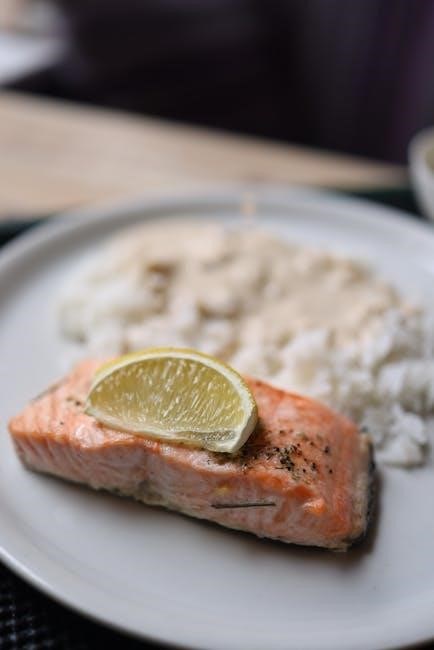
It’s worth noting that the stuffing itself contributes to the overall calorie count. The type of stuffing used‚ and its ingredients‚ will influence the final nutritional value. Pairing your salmon with healthy sides like rice and parsley can help create a balanced and nutritious meal.